
科目组合
英语二: 英语知识运用 、阅读理解 、翻译 、写作
答题情况分析报告
E
D
F
A
C
评分及理由
(1)得分及理由(满分2分)
学生答案:E。标准答案:E。该段落主要讨论在特定情况下(如未想清楚、需要收集更多意见、在公开场合等)最好暂缓表达反对意见,这与选项E“Decide whether to wait”(决定是否等待)的含义完全一致。答案正确,得2分。
(2)得分及理由(满分2分)
学生答案:D。标准答案:D。该段落核心建议是在表达异议前,思考对方关心什么,并将自己的异议与一个共同的目标联系起来,从而更容易被接受。选项D“Identify a shared goal”(确定一个共同目标)准确概括了此意。答案正确,得2分。
(3)得分及理由(满分2分)
学生答案:F。标准答案:F。该段落描述了在提出异议前,先征求对方许可的沟通方式(例如,“Would that be OK?”),这是一种给予对方心理安全感的策略。选项F“Ask permission to disagree”(请求允许提出异议)与此完全吻合。答案正确,得2分。
(4)得分及理由(满分2分)
学生答案:A。标准答案:A。该段落详细说明了在表达异议时,应控制生理反应(如心跳加速、脸红),保持语言和行为的冷静、中立。选项A“Stay calm”(保持冷静)是对此内容的精准概括。答案正确,得2分。
(5)得分及理由(满分2分)
学生答案:C。标准答案:B。该段落强调,即使是有充分依据的观点,也应以试探性的、谦逊的方式提出,并主动邀请他人批评指正。选项B“Stay humble”(保持谦逊)准确地抓住了这一核心。学生选择了C“Be realistic about the risks”(对风险保持现实态度),该选项主要强调评估风险,与段落中关于表达方式、态度谦和、留出对话空间的核心内容不符,属于逻辑错误(匹配错误)。因此,本题得0分。
题目总分:2+2+2+2+0=8分
我们倾向于认为朋友还有家庭成员是我们联系 欢笑和温暖的最大的因素。然而他可能是对的,调查人员最近也发现和陌生人交流实际上带来了一种我们没有期望到的情绪上的繁荣和归属感。
在一系列研究中,调查人员让芝加哥地区的参与人员使用公共的交通方式跟他们周围的人发起聊天。平均上来说,跟随着指示的参与人员比那些被说让 沉默着站着或坐着的人感觉更好。调查人员们也认为当我们远离陌生人的互动的时候,经常因为是一个他们可能不想和我们聊天的错误的想法。大多时间,然而,这个想法是错误的。当它转变了,大多数人们实际上更乐意去交谈,并且甚至收拾你的关心是开心的。
评分及理由
(1)得分及理由(满分15分)
学生译文整体上理解了原文大意,但在措辞准确性、中文表达流畅度、部分关键信息传达以及语法结构处理上存在多处问题,导致译文质量与标准答案有较大差距。具体扣分点如下:
- 措辞不准确/生硬:“最大的因素”不如“最主要的来源”或“最大的源泉”准确;“情绪上的繁荣”是对“boost in mood”的误译,应为“心情更好”或“情绪提升”;“调查人员”应为“研究人员”。
- 逻辑关系模糊:将“While that may well be true”译为“然而他可能是对的”,未能准确传达“事实很可能如此”的让步转折关系,且“他”指代不明。
- 信息遗漏或曲解:“commuters using public transportation”译为“参与人员使用公共的交通方式”不准确,应为“乘坐公共交通工具的通勤者”;“strike up a conversation”译为“发起聊天”尚可,但“攀谈”更佳;“shy away from”译为“远离”不够精准,应为“回避”或“避免”。
- 中文表达不通顺或有语病:“被说让 沉默着站着或坐着”表述混乱,应为“被告知要安静地站着或坐着”;“经常因为是一个他们可能不想和我们聊天的错误的想法”句式杂糅,应为“往往是由于我们错误地担心他们可能不想和我们说话”;“当它转变了”是对“As it turns out”的误译,应为“实际上”或“事实证明”;“收拾你的关心是开心的”是对“may even be flattered to receive your attention”的严重误译,完全偏离原意,应为“甚至会因你的关注而倍感荣幸”。
综上,译文在忠实度和表达质量上均有明显缺陷,但基本框架尚存。根据翻译评分标准(通常按“信、达、雅”或类似维度,本题满分15分),扣分如下:
- 重大误译(如最后一句)扣3-4分。
- 多处措辞不当、表达生硬扣3-4分。
- 个别信息遗漏或逻辑关系处理不当扣2-3分。
因此,本译文得分在6-7分区间。取中位数,给予6.5分。为便于计算总分,按0.5分进制,此处计为7分。
题目总分:7分
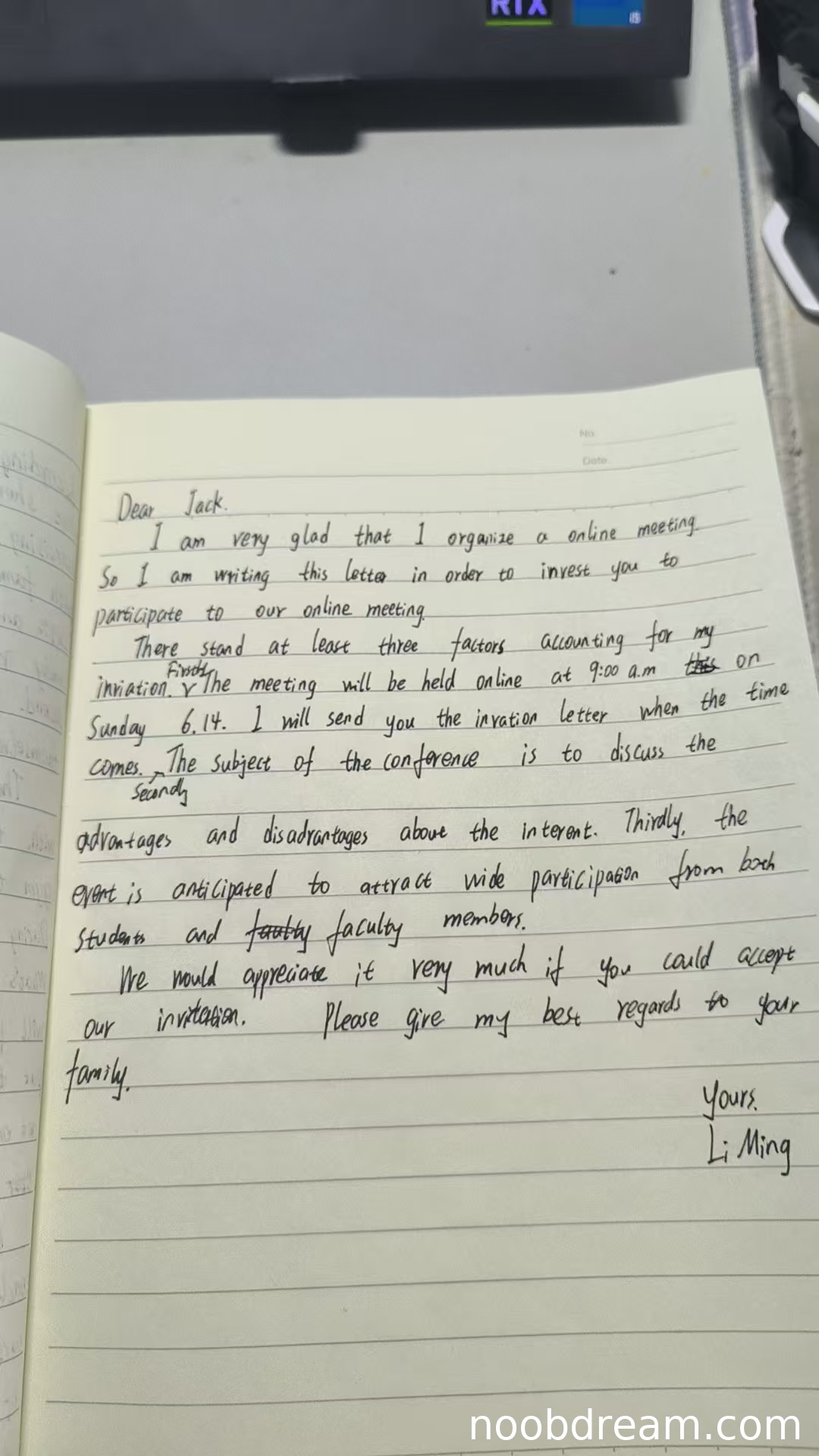
评分及理由
(1)得分及理由(满分10分)
学生作文旨在完成一封邀请国际学生Jack参加线上会议的电子邮件。根据评分标准,评判如下:
- 内容要点:题目要求1)邀请参与,2)告知详情。作文明确发出了邀请,并提供了会议时间(周日6月14日上午9点)、形式(线上)、主题(讨论互联网的优缺点)以及预期参与者等细节,内容完整,覆盖所有要点。
- 语言表达:整体语言流畅,能够清晰传达信息。存在少量语法和用词问题,例如“I organize”应使用现在进行时“am organizing”或将来时更佳;“There stand at least three factors accounting for my invitation”句式略显生硬和正式,与邮件语域不完全匹配;“6.14”日期格式不标准,应为“June 14th”或“14th June”。但这些错误不影响核心理解。
- 格式与语域:格式正确,包含称呼、正文、结束语和署名。语域总体恰当,但部分句子(如“There stand at least three factors...”)偏向论述文风格,在非正式邮件中稍显突兀。结尾“Please give my best regards to your family.”在邀请邮件中略显多余,但非错误。
- 逻辑与衔接:逻辑清晰,先发出邀请,再分点说明详情,最后表达期待,衔接合理。
综合来看,作文内容完整,语言基本准确但有可改进之处,格式正确,逻辑清晰。符合第四档(良好,7-8分)的标准。考虑到语言上的一些不自然之处和个别表达问题,给予7分。
题目总分:7分
Part B
48.Directions:
Write an essay based on the chart below. In your writing, you should
1) interpret the chart, and
2) give your comments.
You should write about 150 words on the ANSWER SHEET. (15 points)
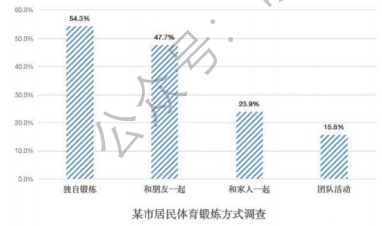
(图表为“某市居民体育锻炼方式调查”,展示了不同锻炼方式的占比情况:“独自锻炼”占比54.3%;“和朋友一起”占比47.7%;“和家人一起”占比28.9%;“团队活动”占比16.8%。)
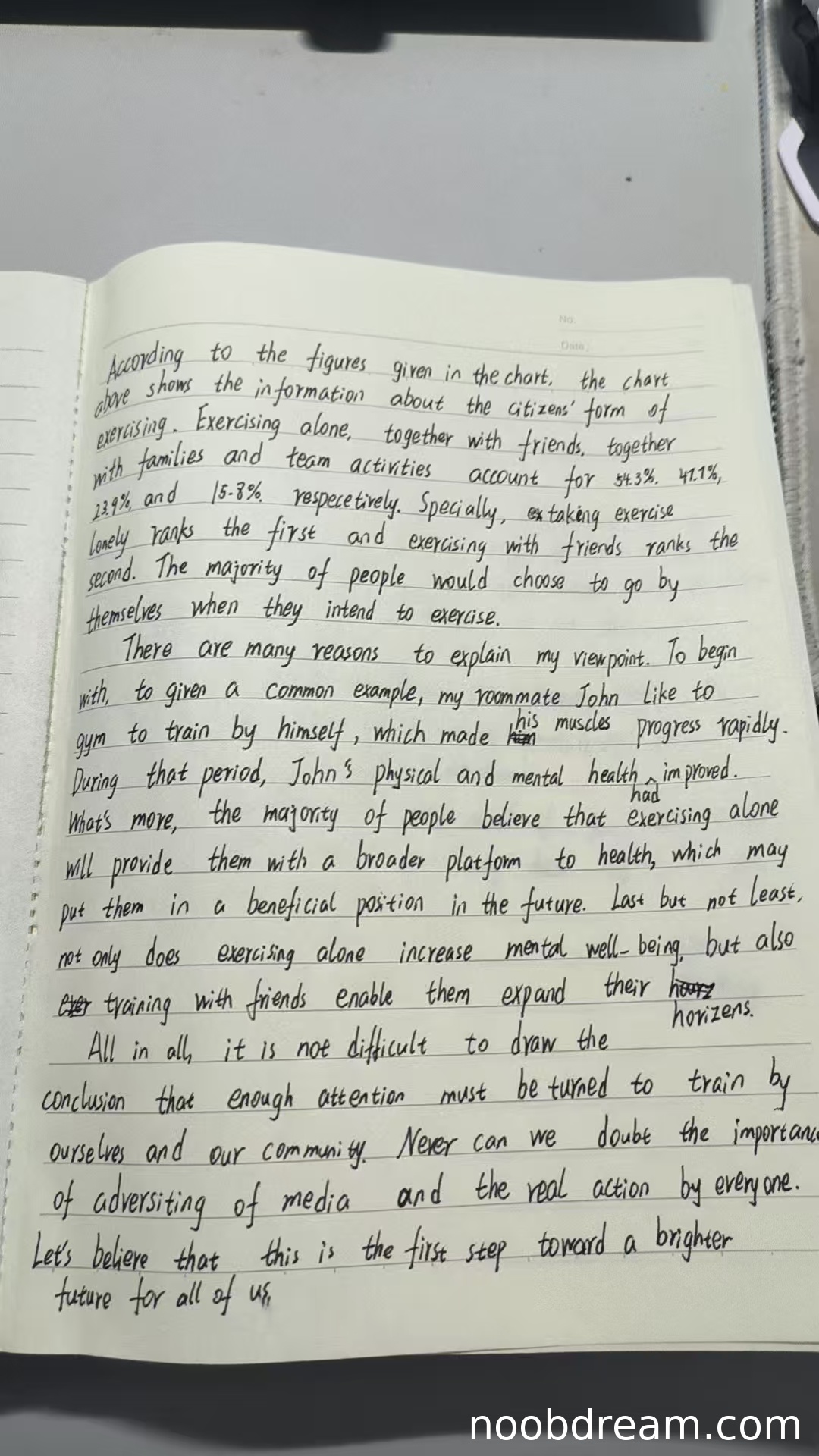
评分及理由
(1)得分及理由(满分15分)
该作文得分:7分(第三档)。
打分理由:
- 任务完成度: 文章基本完成了试题规定的任务。第一段对图表进行了描述,指出了最主要的两种锻炼方式。第二段试图给出评论。整体上对读者基本传达了预期信息。
- 内容要点: 包含了“解读图表”和“给出评论”两个主要要点,但评论部分与图表数据的关联性较弱,逻辑不够清晰。例如,第二段试图解释“独自锻炼”受欢迎的原因,但举例(室友John)和论述(“提供更广阔的健康平台”、“在未来处于有利位置”)较为牵强,且未能有效结合其他数据(如与朋友、家人锻炼的比例)进行对比或分析。结尾段突然转向“社区”、“媒体宣传”等,与主体内容脱节,属于未能有效阐述的内容要点。
- 语言与结构:
- 语法和词汇基本满足任务需求,但存在一些错误,如“to given a common example”(应为to give)、“likes to gym”(应为likes to go to the gym)、“enable them expand”(应为enable them to expand)。倒装句“Never can we doubt...”使用正确,但与前文逻辑衔接生硬。
- 使用了简单的衔接手法(To begin with, What's more, Last but not least, All in all),使得文章层次基本清晰。
- 语言流畅度一般,部分句子表意不够准确或地道。
- 格式与语域: 格式基本符合要求,语域总体恰当。
扣分说明:
- 主要扣分点在于评论部分逻辑不清、与图表关联度弱且部分内容偏离主题。这导致未能“很好地”或“较好地”完成评论任务,因此无法进入高分档(10分以上)。
- 图表数据识别有误(如47.1%/41.1% vs. 47.7%, 23.9% vs. 28.9%, 15.8% vs. 16.8%),但根据“禁止扣分”原则,这些由识别导致的数字误差不扣分。
- 语言错误存在但不影响整体理解,因此未导致降档至第四档。
题目总分:7分

 The road of your choice, you have to go on !
粤ICP备16082171号-1
The road of your choice, you have to go on !
粤ICP备16082171号-1


